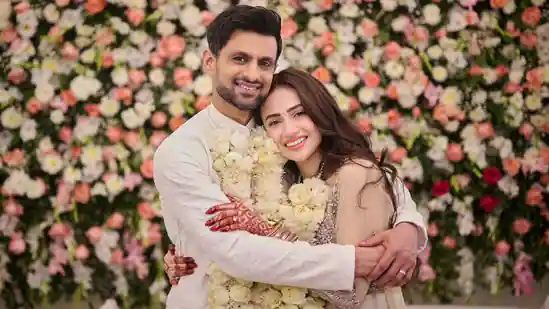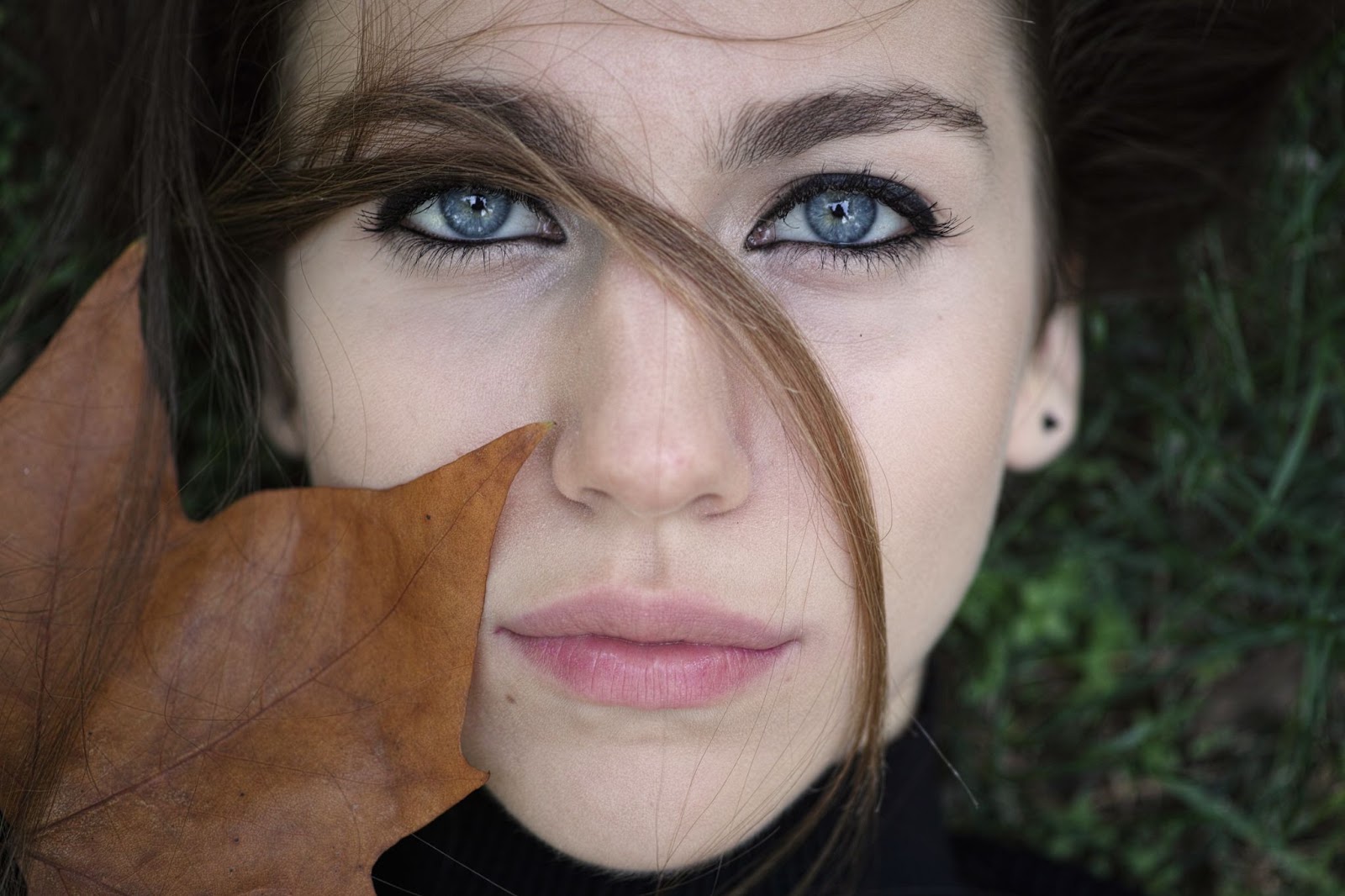
A person’s gaze is the shortest way to their emotions and inner world, so when shooting portraits, the photographer should give enough time and attention to the eyes.
The whole atmosphere of the frame depends on what mood the model transmits with her facial expressions and its main component – the gaze.
What can be done at the post-processing stage?
In the process of shooting the photographer does not always have time to pay attention to every detail of the model’s image, including her eyes. That’s why you can’t skip the retouching stage. During post-processing, the photographer adds highlights to make the look more radiant, or, on the contrary, removes unnecessary highlights. Additionally, it may be necessary to lighten the white of the eye a bit, as vessels and redness are often visible in close-ups. Use the brightness and contrast adjustments to achieve the perfect balance. Using the photo editor https://retouchme.com/service/change-eye-color-app, you can change the color of the model’s eyes, completely updating the look and mood of the shot. Take the time to retouch the makeup: small imperfections like clumpy eyelashes or eye shadow in the wrinkles will show up in your shots.
How should the eyes be positioned in the frame and where should the model look?
There are no strict compositional rules about how the eyes should or should not be positioned in the geometry of the frame. Usually, photographers are guided by the rule of thirds or make the eyes the center of the whole picture. In turn, the model can open her eyes, close them, and look directly into the lens, at the props, or into the space behind the frame. Each of these options suggests a different aesthetic and mood.
- Eyes wide open, directed into the lens is a direct look at the viewer. So the model can translate any emotion as openly and clearly as possible. In the eyes can be joy, sadness, fear, surprise, love, anger, anger, fatigue, etc. The works of many famous photographers prove that even body language and facial expressions are in the background if the eyes are dominant in the frame.
- Closed eyes are a sign of silence and mystery. Photos in which the model closes her eyelids are filled with a pensive mood and detached from the viewer. In this case, the story is told by the face and body, but some of the meanings remain hidden.
- Looking at props (for example, a book, jewelry, or flower) – makes the viewer look where the model is looking. The focus of perception in such shots is shifted, you can pay attention to details.
- A look directed into space – requires a well-thought-out compositional strategy. The model can not look just mindlessly into the void, in the eyes there should be meaning and emotion. So the viewer will get a chance to think up the frame, to interpret the mood correctly.
What kind of lighting allows you to achieve expressiveness in a look?
To make the model’s eyes attract the viewer’s attention, it is necessary to avoid deep black shadows in the frame. This task is solved by soft light with a smooth, even flow of rays. You can get it in cloudy weather when shooting outdoors or indoors near a window. In the studio, the photographer achieves the desired effect, using umbrellas and softboxes.
One of the important purposes of lighting is to give a glare to the eyes, which will revitalize the portrait and make it more emotional. Technically it is solved in this way: the model is placed in the shade and looks at the light source.
It is undesirable to use a flash: the pupil will narrow, reacting to the sudden flow of light, and the eyes in the picture will not look as we would like. If you want to experiment with light devices, take into account that the eyes are very sensitive to the temperature of light. They can change shade depending on the lamp chosen, even if the difference is a few tens of Kelvin.
In general, for the look in the frame to look lively and interesting, there must be an emotion behind it. This task depends on the model, and the photographer will only have to catch the best moments.